Arena Milano
Media Façade
Keeping Europe’s largest media façade in sync
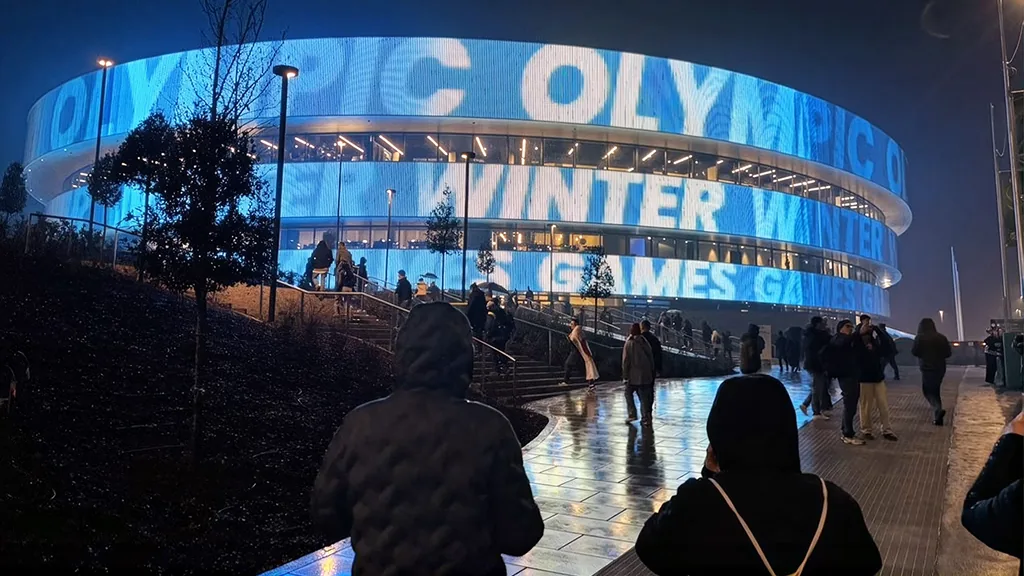
When Arena Milano (now the UNIPOL Dome) took centre stage for ice hockey at the 2026 Winter Olympic Games, its outer rings became one of the largest media façades ever built in Europe. Italian architectural lighting specialist Griven built the façade. ENTTEC supplied the control backbone behind it: 397 custom Storm 10 gateways and ELM pixel-mapping software, keeping close to 400,000 pixels moving as one.
| Client | CTS EVENTIM AG & Co. KGaA |
|---|---|
| Type | Architecture |
| Location | Milan, Italy |
| Products | Storm 10, ELM (ENTTEC LED Mapper) |
| Year | 2026 |
| Project credits | Architecture: David Chipperfield Architects. Lighting design: Arup. Media façade system: Griven (GRAPH-I-PIX RGBW Custom). |
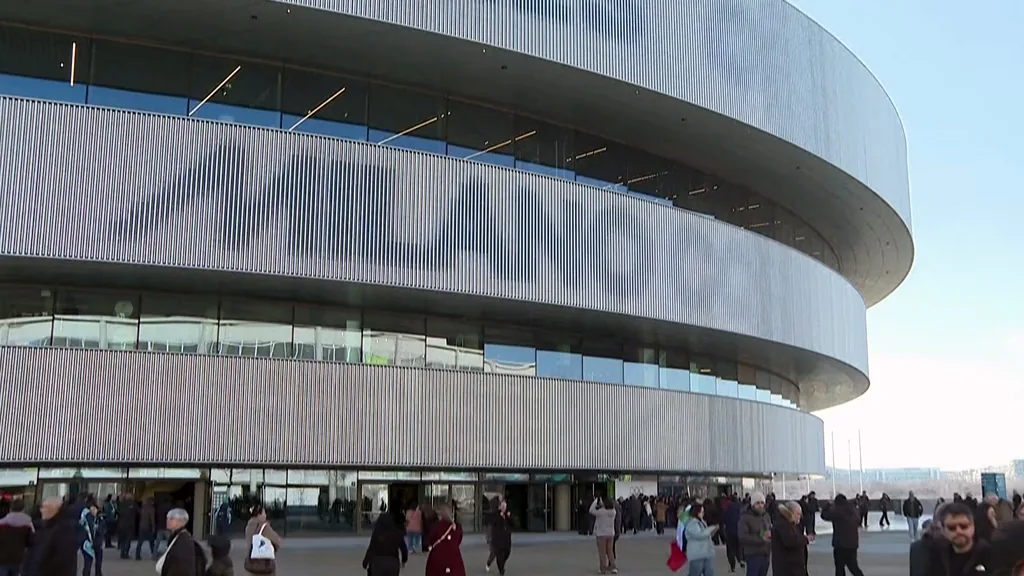
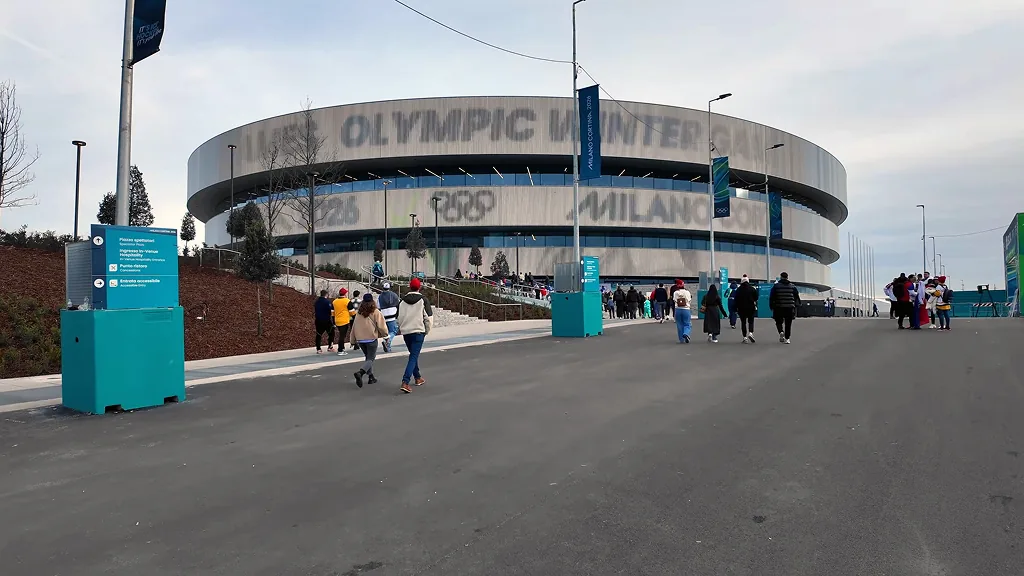
Located in Milan’s redeveloped Santa Giulia district, Arena Milano was commissioned by CTS EVENTIM and designed by David Chipperfield Architects with Arup. The elliptical arena reworks the classical Roman amphitheatre in contemporary form. It hosted ice hockey through February 2026 and stayed in use for the para sport events that followed, the only one of Milan’s three competition venues to do so.
The arena anchors the regeneration of Santa Giulia, a former industrial quarter in the south-east of Milan being rebuilt as a new mixed-use district. It was made to last beyond the event: designed for 16,000 people and now operating as the UNIPOL Dome, it stays on as a permanent Milan venue for sport, concerts and live events rather than a temporary build.
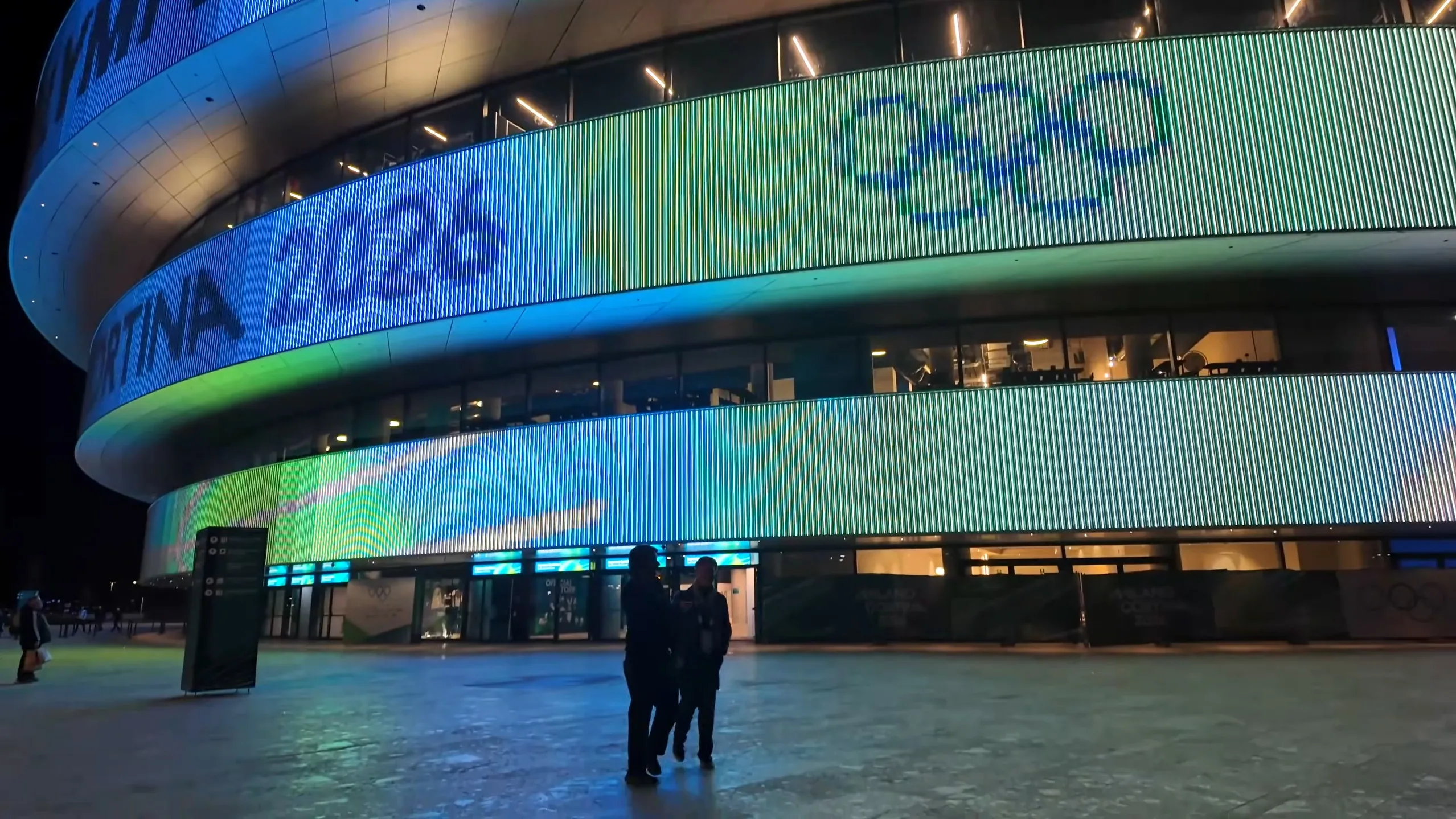
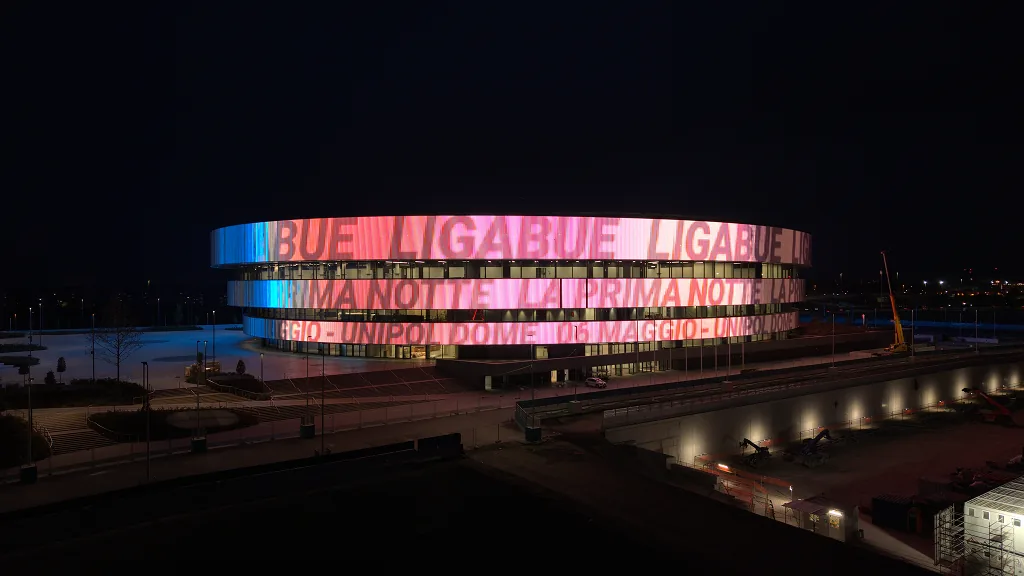
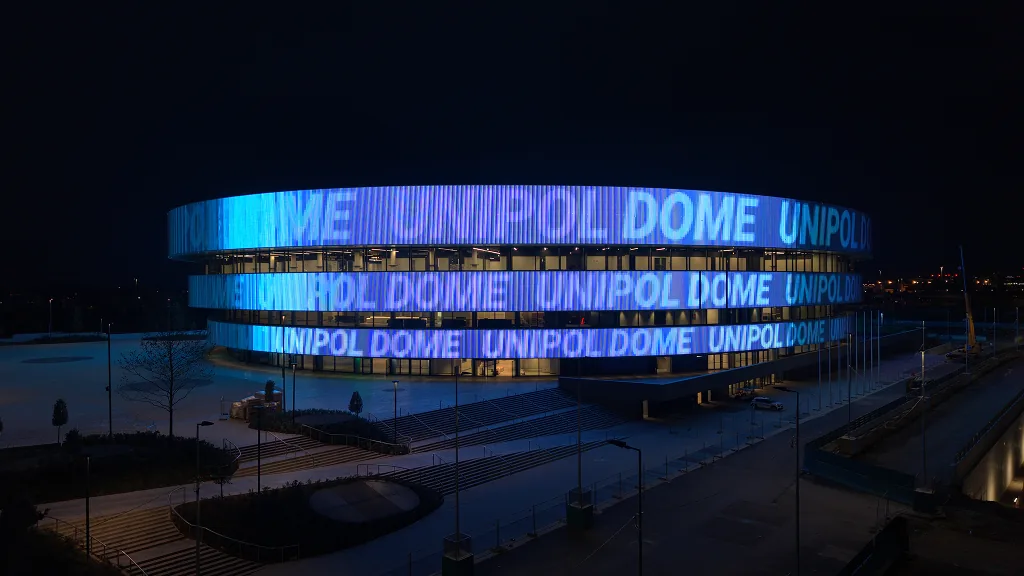
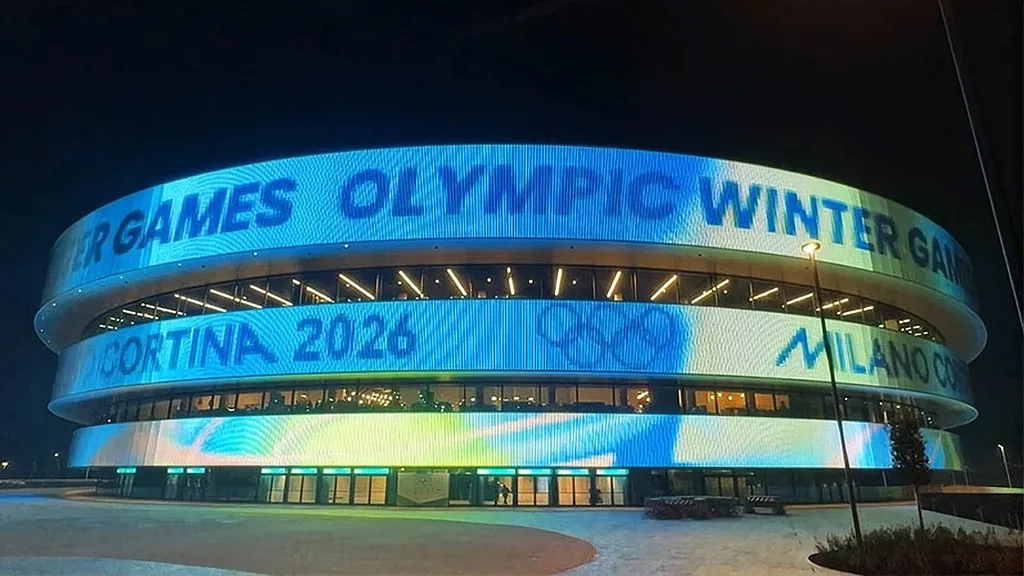
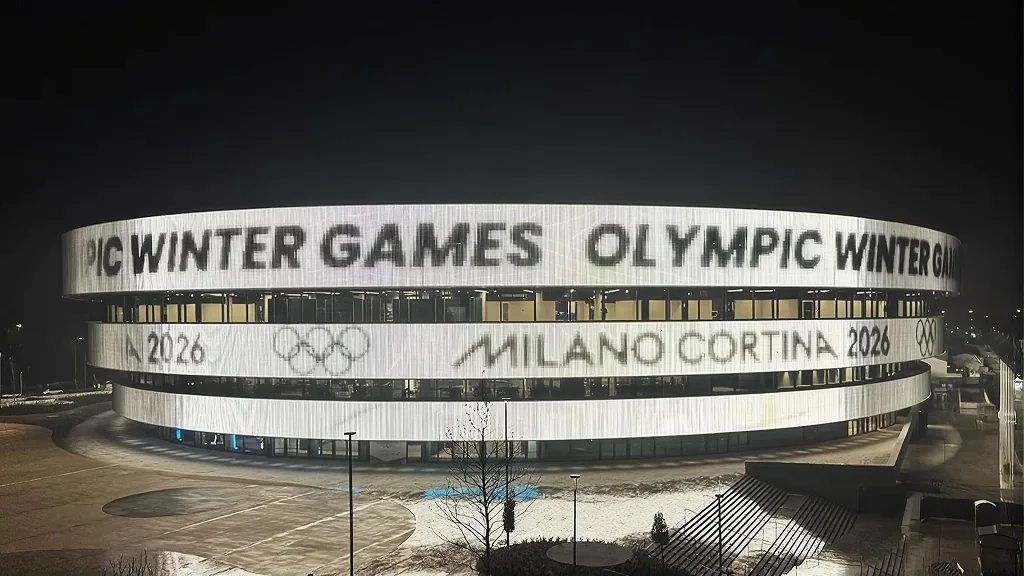
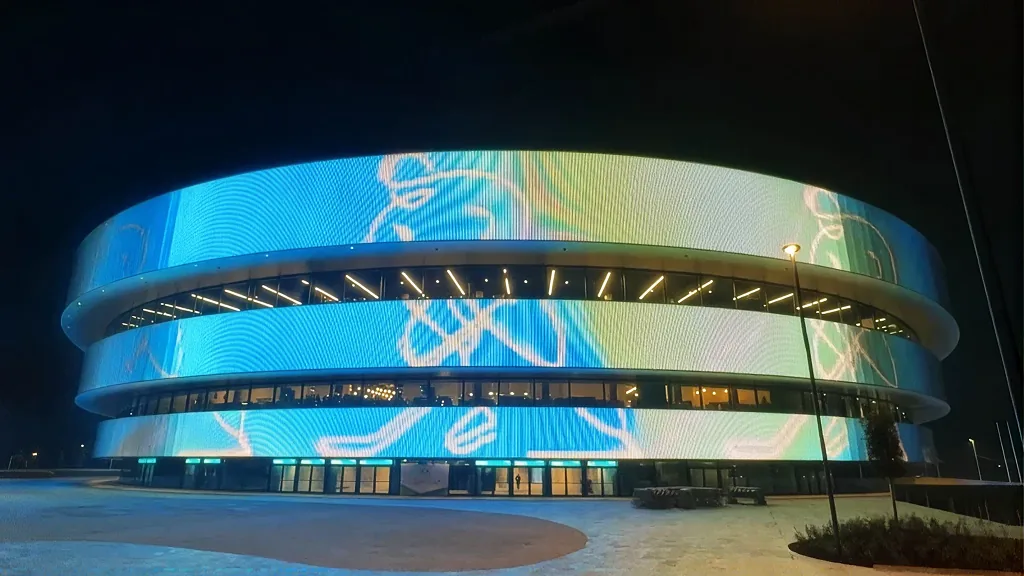
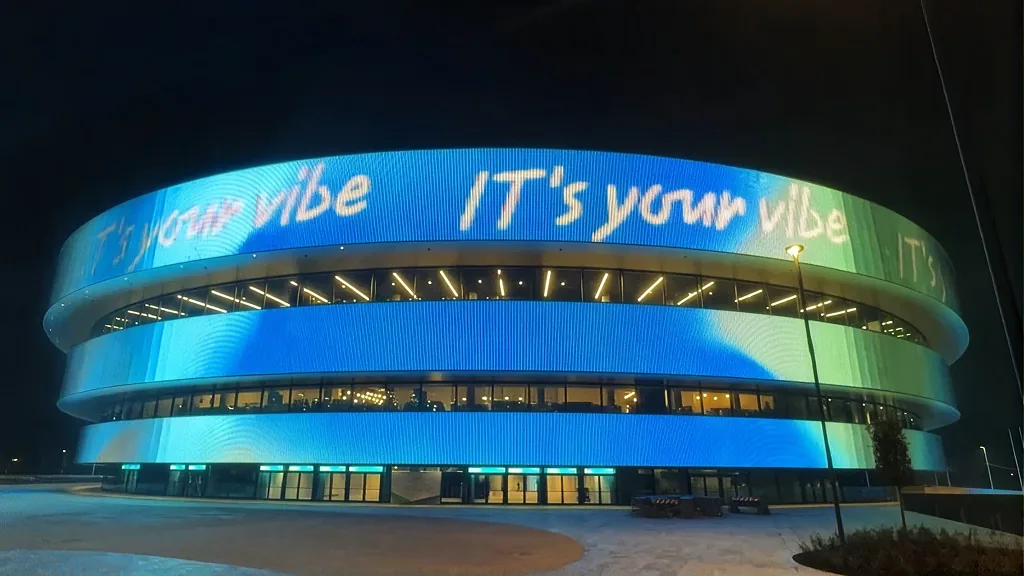
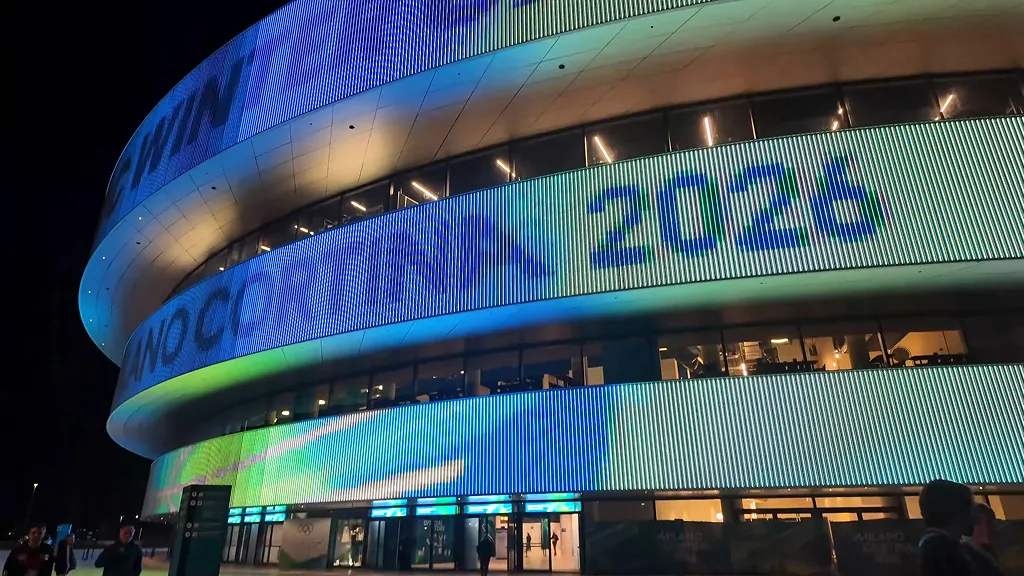
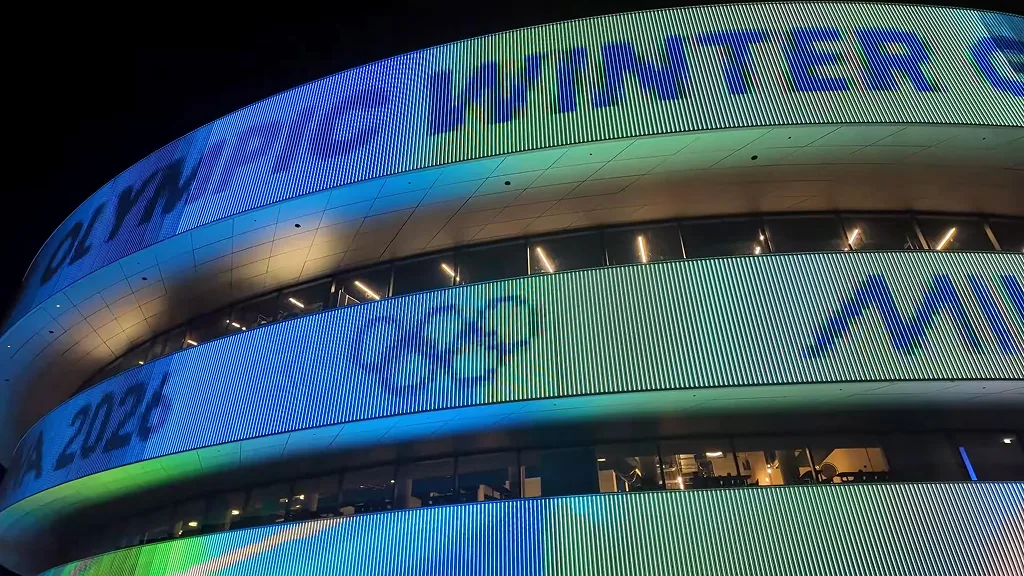
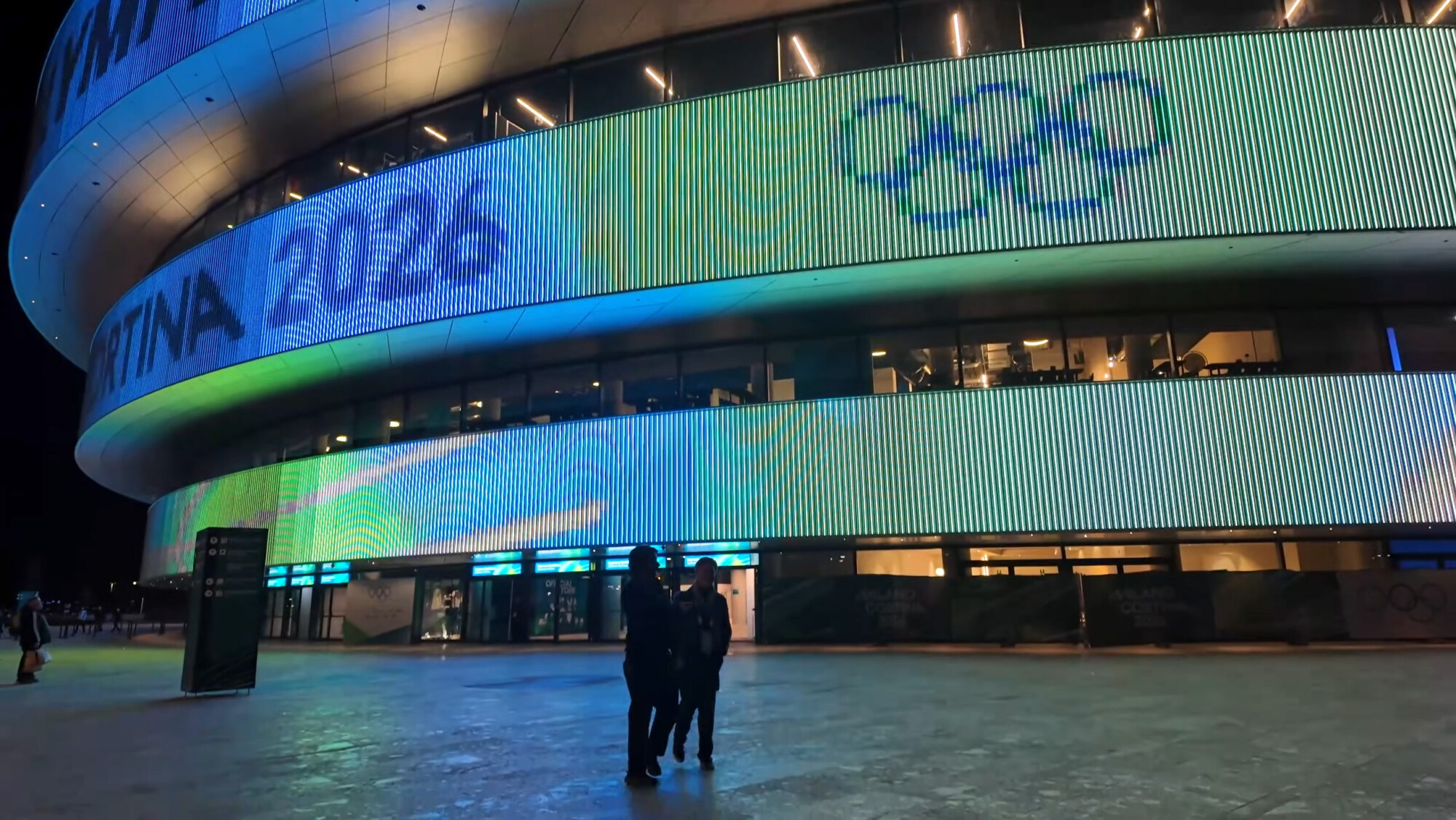
Its defining feature is the media façade that wraps the outer rings, turning the whole building into a public canvas seen by spectators on site and by a worldwide broadcast audience.
The Griven media façade in motion across the arena’s three continuous rings.
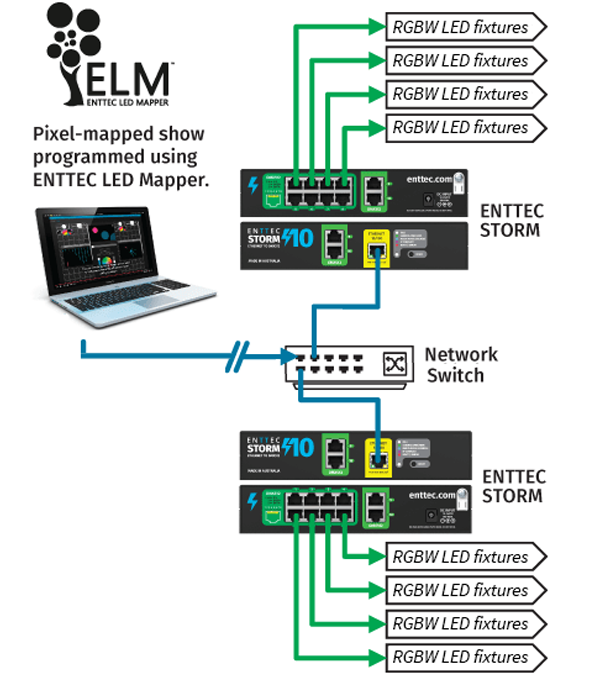
The challenge was distribution. A façade this size runs on 3,785 DMX universes, and every one of them had to reach the right fixtures and stay in sync for the world’s cameras, on a deadline that could not move. To carry that, ENTTEC supplied 397 Storm 10 Ethernet-to-DMX gateways, custom built without internal power supplies to suit the installation, and supported Griven through commissioning. Each gateway sits close to its fixtures and converts Art-Net (unicast) to DMX, buffering and synchronising its own output so playback stays locked together across the façade’s three continuous rings.
ELM (ENTTEC LED Mapper) handled the pixel mapping. It organised close to 400,000 pixels into one clean addressing model, so Griven could treat the whole façade as a single surface: design content once, for the building as a whole, rather than stitch it together ring by ring.
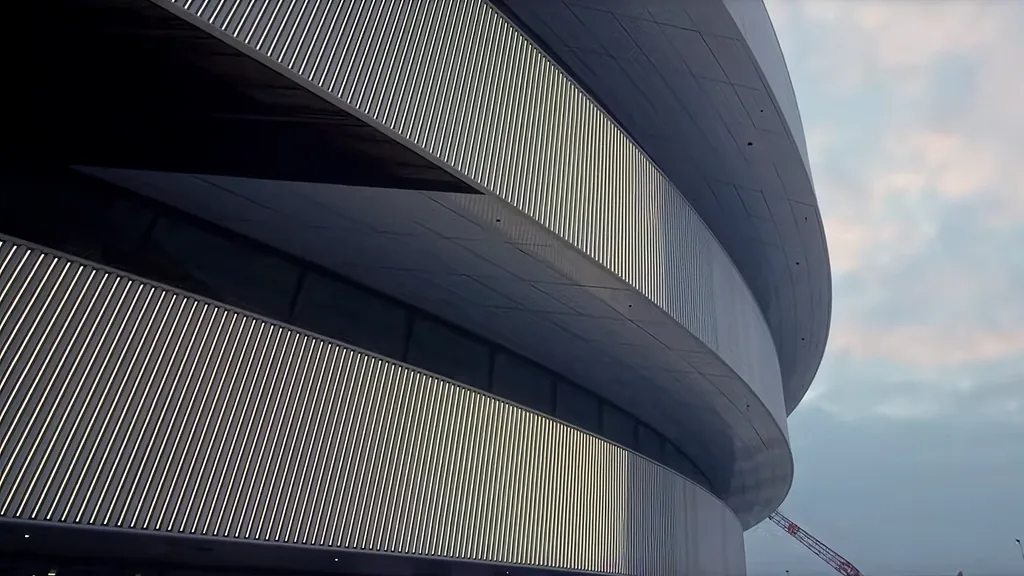
The light itself is Griven’s. Their GRAPH-I-PIX RGBW Custom system wraps the arena in 54,560 bespoke linear LED bars, close to 50 km end to end, with custom opaline diffusers that soften each bar into a smooth line of light. The surface reads as clean gradients, stays legible in daylight and holds a refined presence at night.
The approach repeats on any large pixel façade. Segment the structure, put the gateways next to the fixtures, and let each one buffer and sync its own output, and control stays consistent however big the canvas grows. Map the whole surface as one addressing model and content is authored once. Distributed conversion plus centralised mapping is what keeps a build this size both expressive and reliable.
Result
The façade ran as one synchronised canvas for the full run of competition: 3,785 universes and close to 400,000 pixels holding together across three rings, for the crowds on site and a worldwide broadcast audience. It stands as one of the largest media façades ever built in Europe. As the UNIPOL Dome it stays in service, a permanent programmable surface for concerts and live events.
The full story
Arena Milano LED façade @ 2026 Winter Olympics
Read the storyRelated products
Explore products used
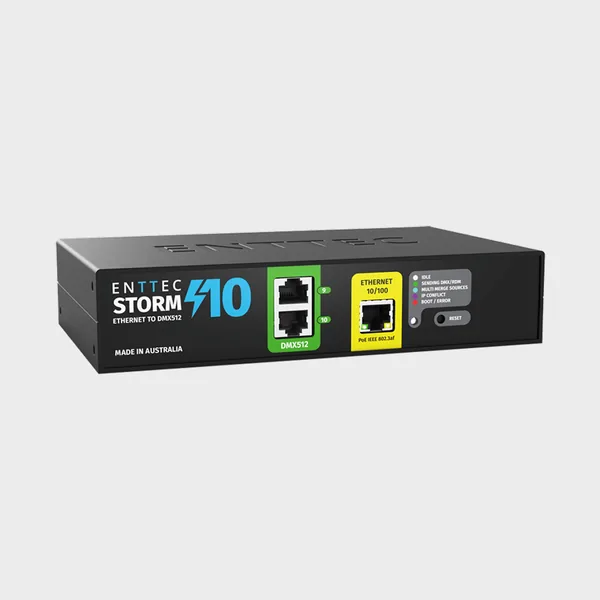
Storm 10
SKU: 70057
Ethernet-to-DMX gateway delivering up to 10 universes from Art-Net or sACN, with precision buffering and sync logic for jitter-free playback across large LED matrices. Custom-built without internal power supplies for this install.
View product
ELM (ENTTEC LED Mapper)
SKU: 70581
Pixel-mapping and media playback software for designing, mapping and running content across large, individually addressable pixel arrays. Organised close to 400,000 pixels into one clean addressing model.
View product