



P9813 Pixel Protocol
The P9813 is a two-wire clocked RGB pixel driver in a SOP14 package, using separate data and clock lines for timing-tolerant 8-bit-per-channel control.
Specifications
| Clock Type | Clocked |
| Color Resolution | 8 Bits |
| Physical Package | SOP14 |
| RGB | Yes |
| RGBW | No |
| Output Pixel Voltage | 5 - 24V |
| PWM Rate | 4500Hz |
| Suitable Camera | Up to 150fps |
| Redundant Data Line | No |
Strengths
- The two-wire clocked interface latches data on a clock edge instead of relying on precise self-clocked pulse widths, so it tolerates longer cable runs and controller jitter better than single-wire data-only chips such as WS2812.
- 24-bit RGB (8 bits per channel) at a 4500Hz PWM rate is comfortably flicker-free for camera capture up to 150fps, a sensible margin for typical broadcast and film work without chasing optimistic tens-of-kHz figures.
- A wide 5 to 24V pixel operating range suits both low-voltage strips and higher-voltage strings, helping manage voltage drop over longer installs.
Limitations
- The second (clock) conductor is a real tradeoff, not a feature: it adds wiring and cost and another point of failure, and a high-frequency clock line radiates EMI that can interfere in sensitive installations. The timing tolerance it buys is genuine, but the market is trending toward data-only single-wire chips to avoid both drawbacks, so clocked is not simply 'better'.
- No redundant data line: a single failed pixel or broken data connection blacks out every pixel downstream, with no automatic bypass. Plan drops and repair access accordingly.
- RGB only, with no dedicated white channel (RGBW: No), so whites are mixed from the three primaries and are less pure and harder to tune than a true RGBW part for white-critical work.
Overview
The P9813 is an individually addressable RGB pixel driver that uses a two-wire clocked interface: a dedicated clock line accompanies the data line, in the style of APA102 and similar SPI-like chips. Each device handles 24-bit colour (8 bits per channel) and operates across a 5 to 24V range, repeating the data stream down the chain. The separate clock decouples timing from a fixed bit-period, giving good tolerance to cable length and controller jitter, at the cost of an extra conductor and the wiring, cost and EMI that a high-frequency clock line brings.
Compatible ENTTEC controllers
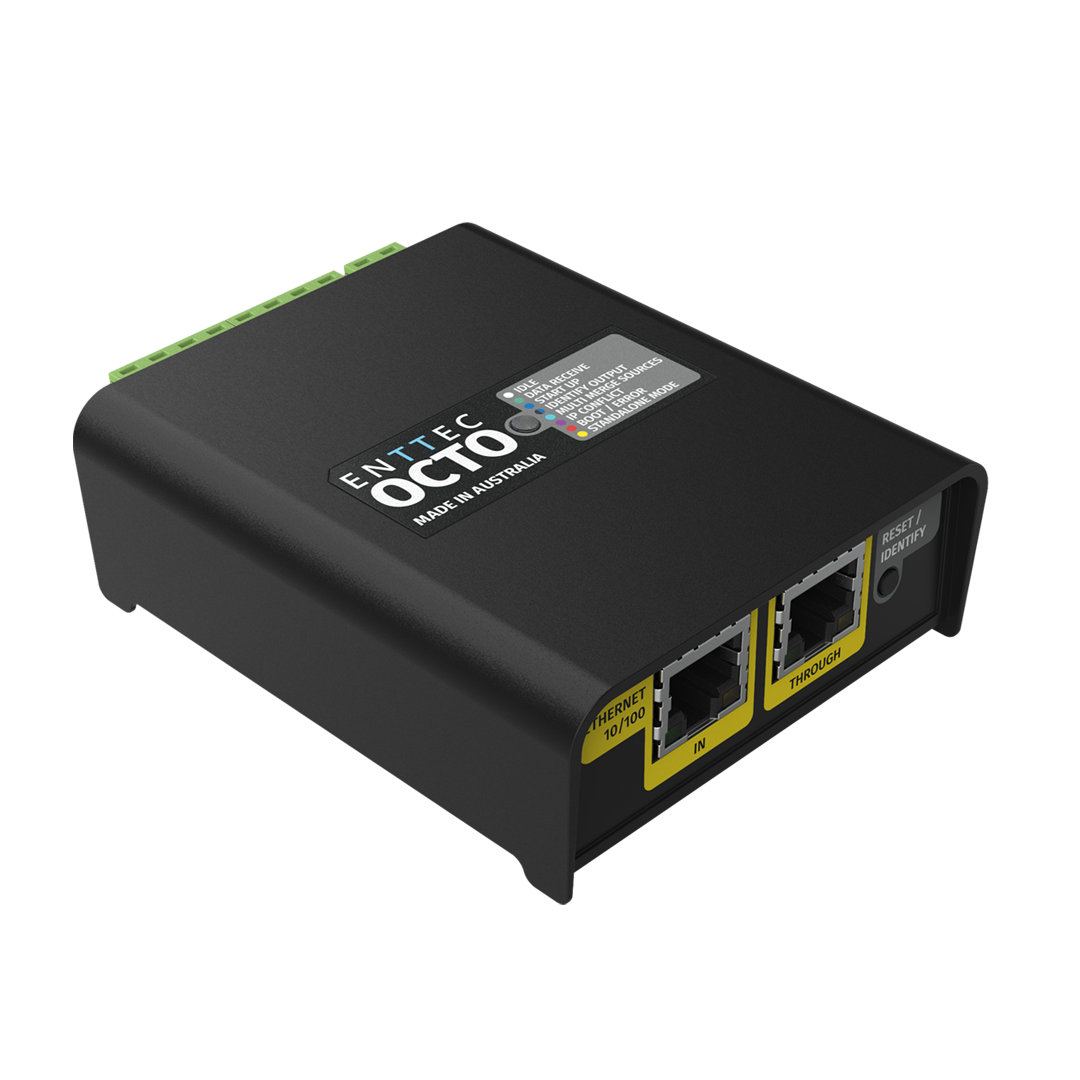
Sku: 71521
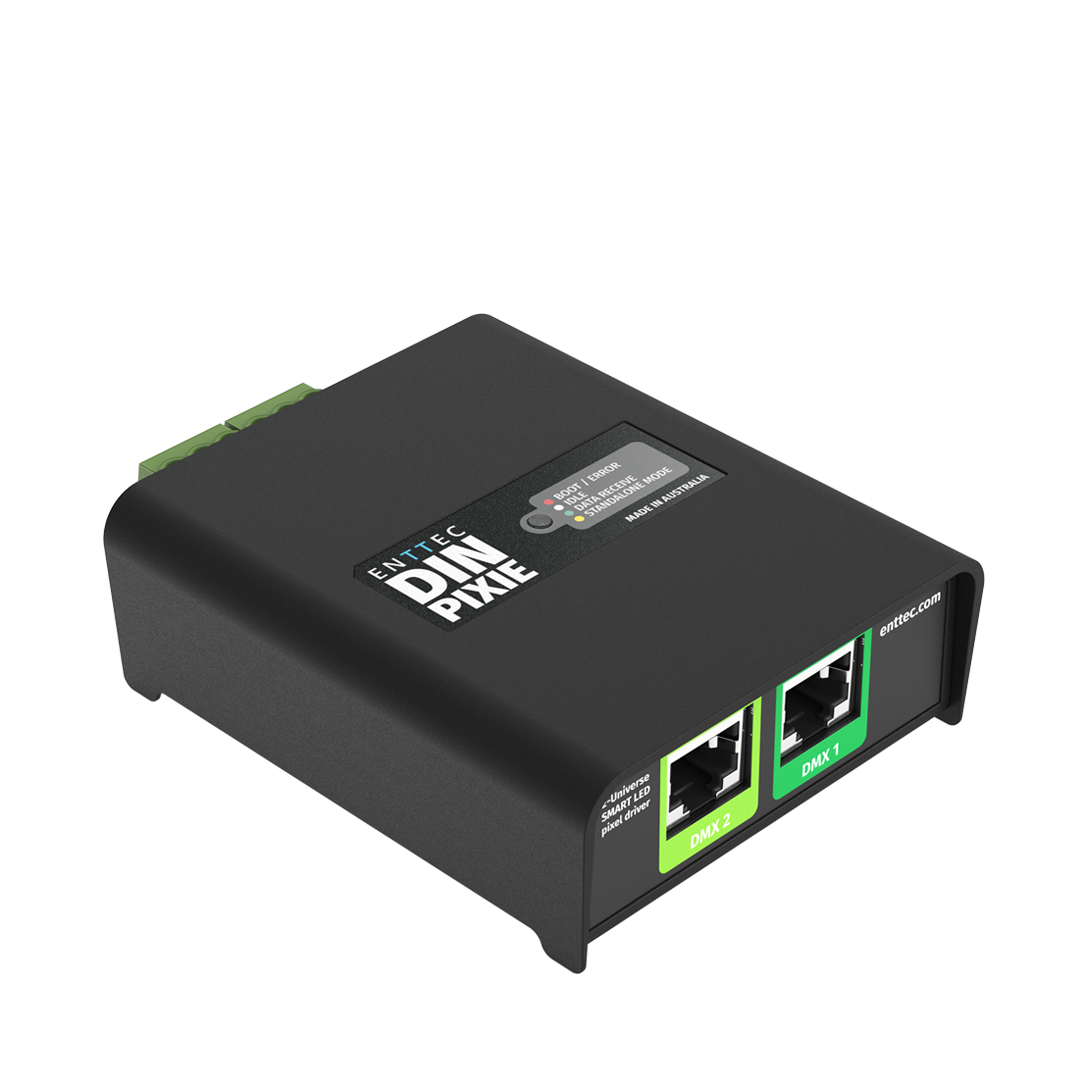
Sku: 73539
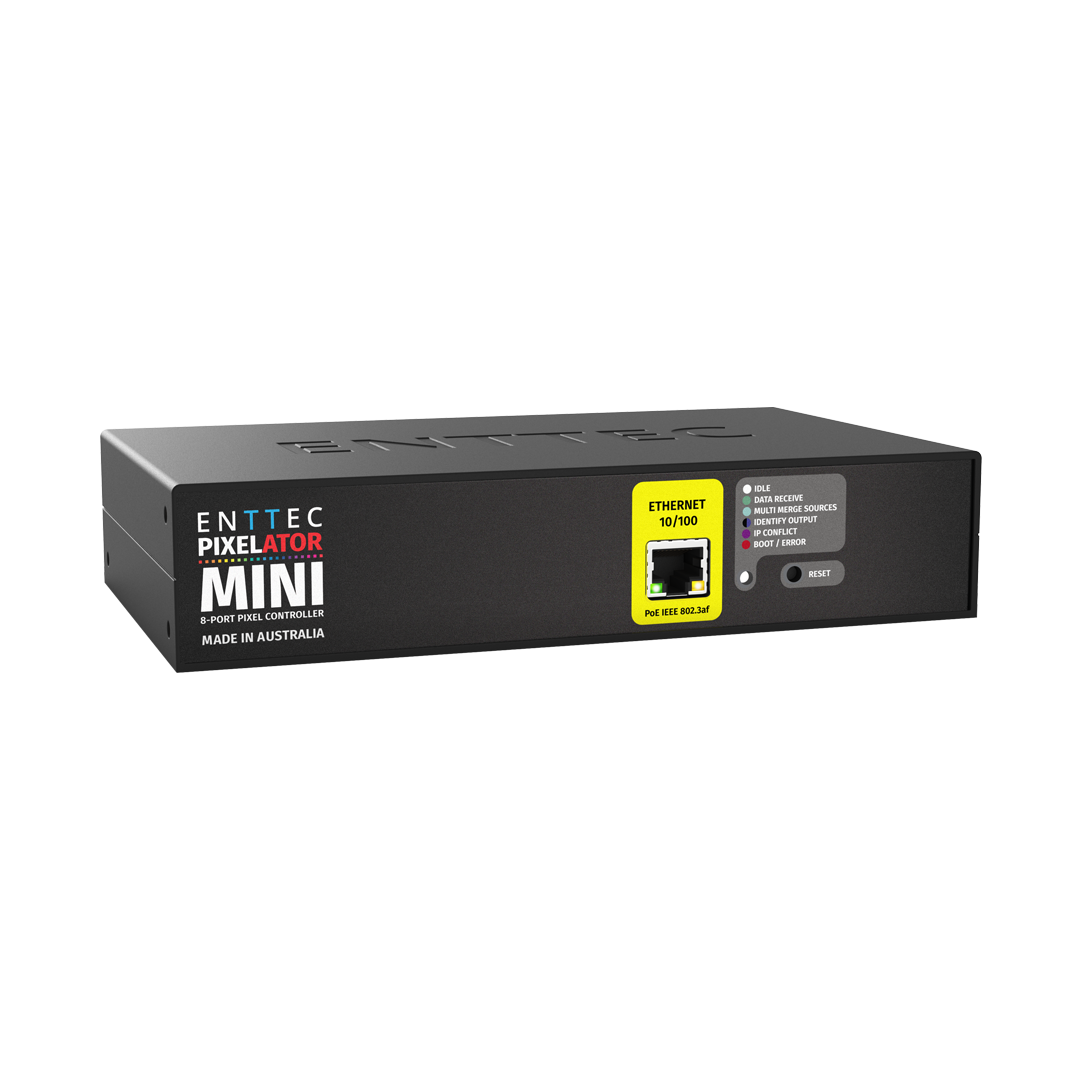
Sku: 70067
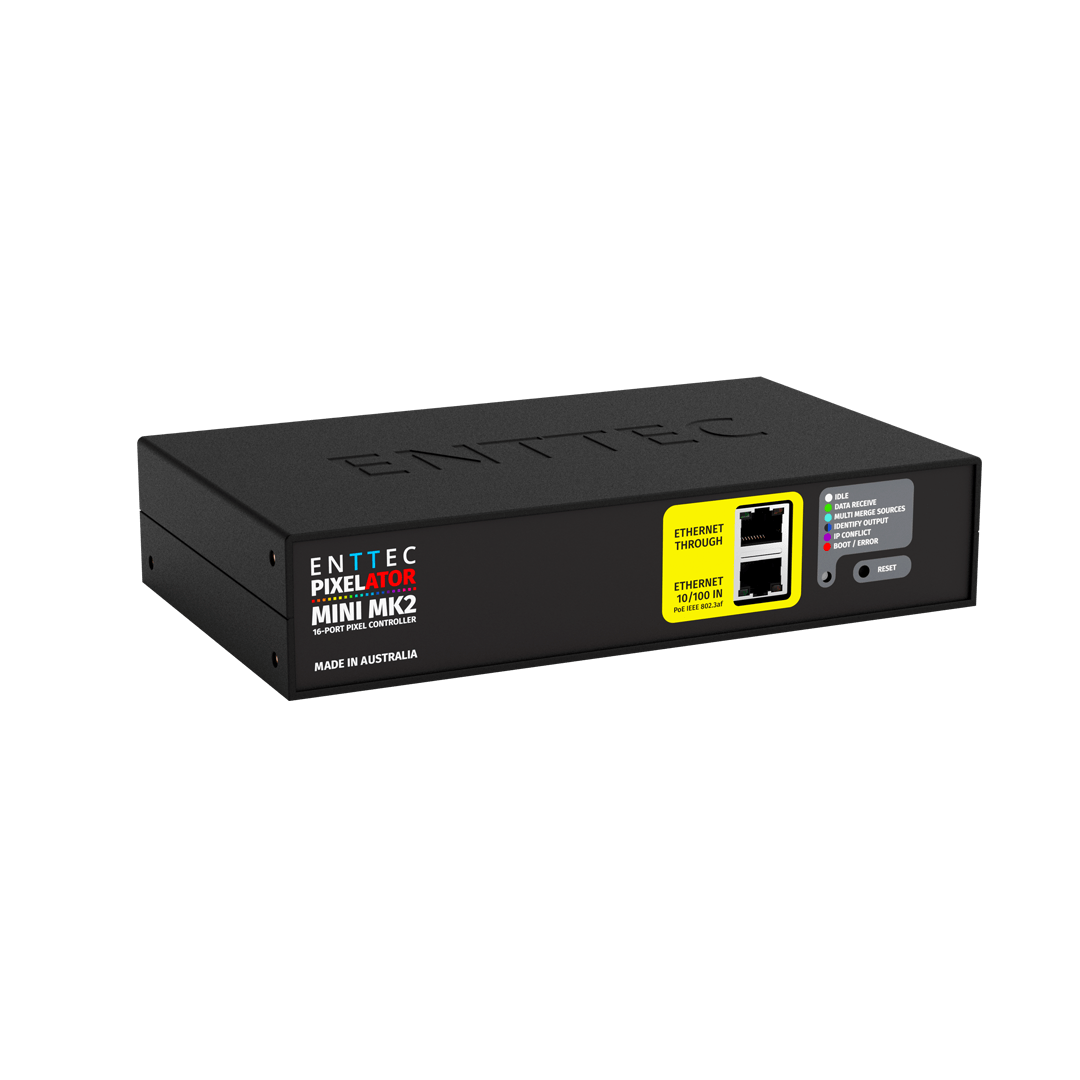
Sku: 70068
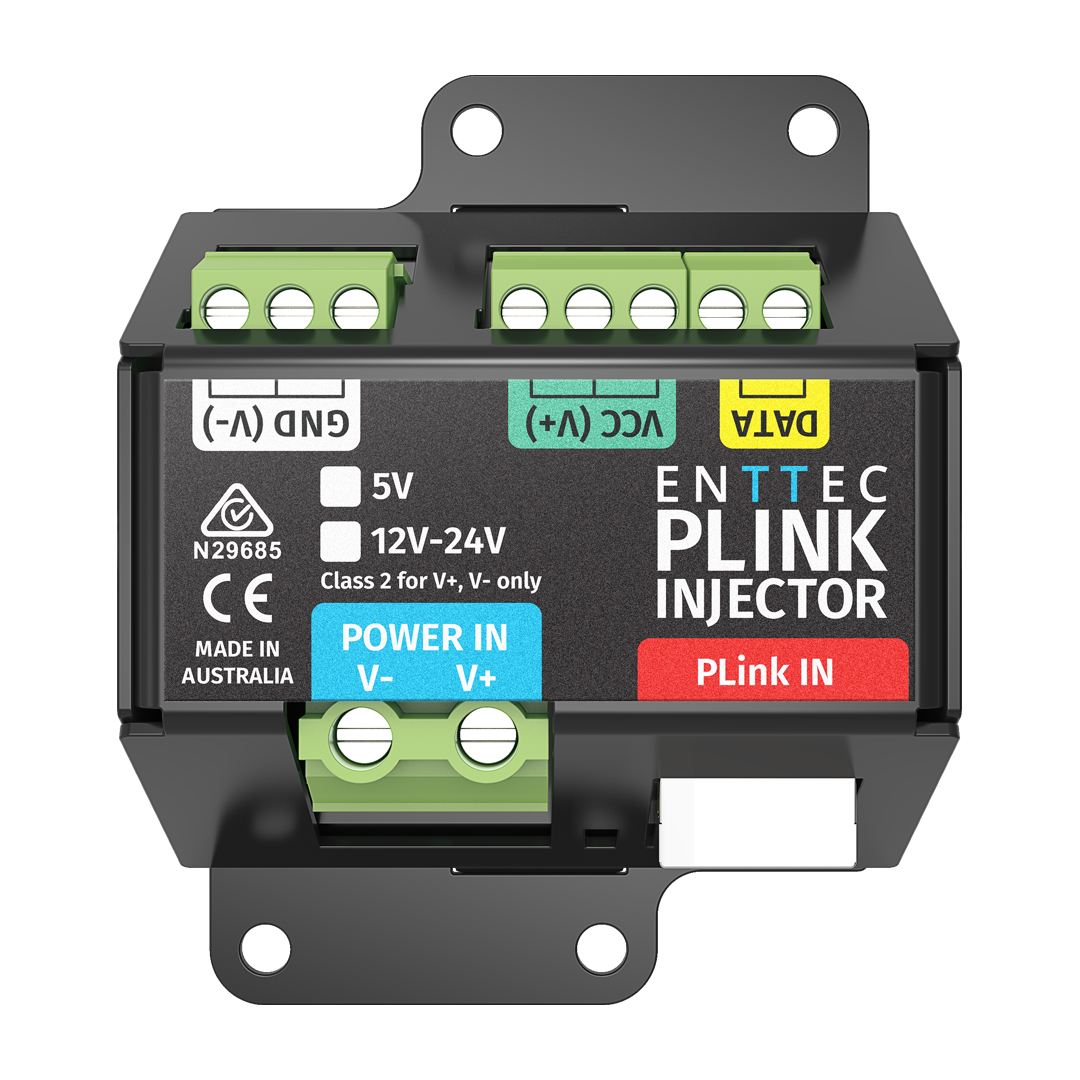
Sku: 73-545
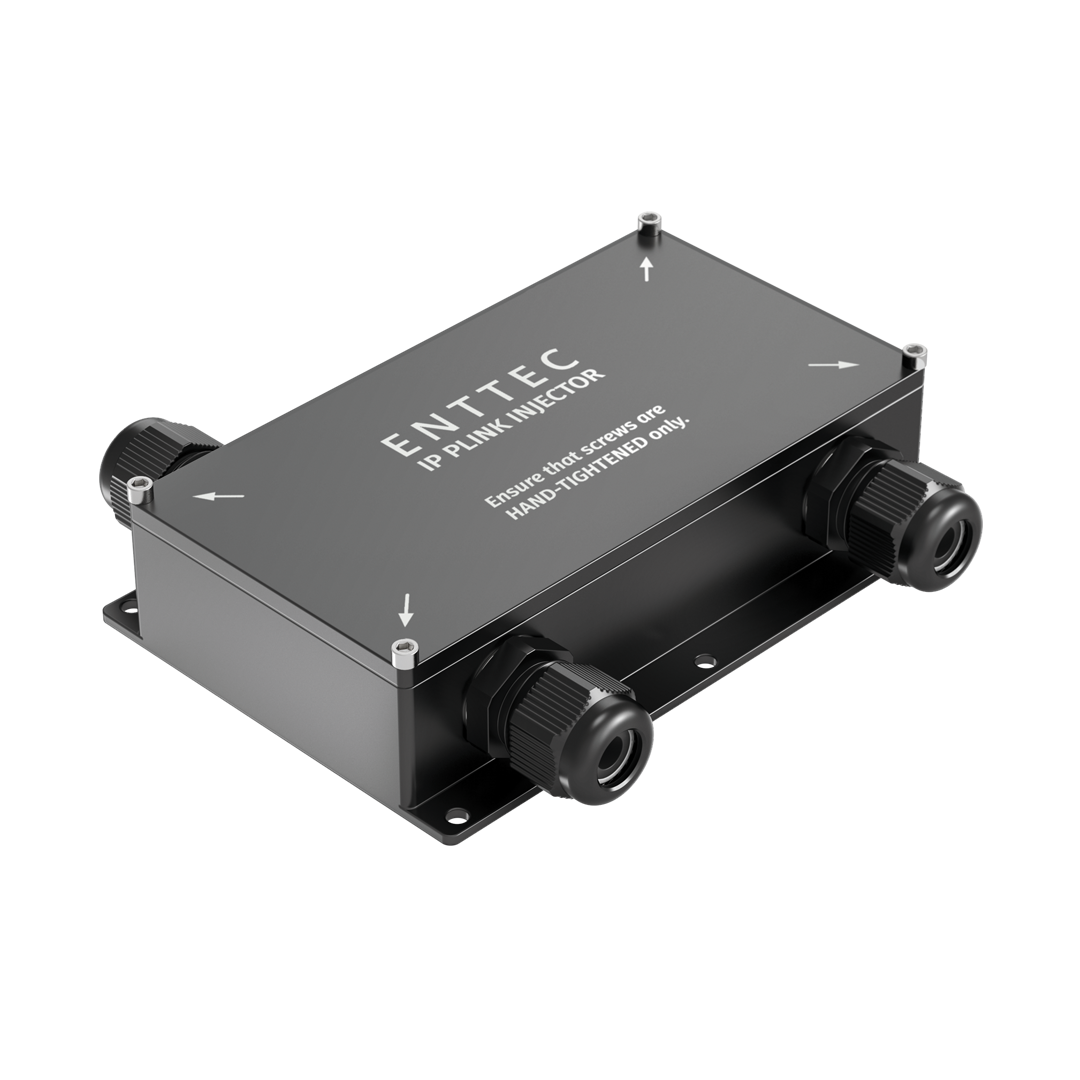
Sku: 73924
ENTTEC has been engineering lighting control in Australia since 1999, and shipping LED pixel controllers since the original Pixelator in 2014.